

Lip Filler and Age: Timing and Important Considerations
Aug 30, 2025
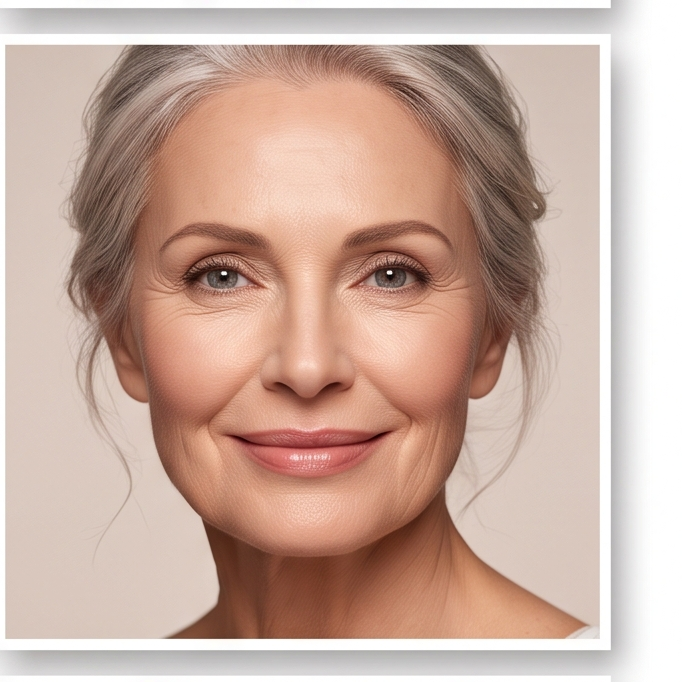
Lip filler is one of the most popular cosmetic treatments, but the right time to consider it depends on more than a birthday. Your age influences why you might want treatment, what your lips actually need, and how a skilled injector approaches your results. Whether you're in your twenties thinking about adding volume or in your fifties looking to restore what time has changed, understanding the age-related considerations helps you make a confident, informed decision.
What is the minimum age for lip filler?
Most reputable clinics require patients to be at least 18 years old, and many go further by requiring you to be 21 or older. Dermal fillers used for lip enhancement are typically restricted to adults, and responsible practitioners will not treat minors for purely cosmetic reasons. This isn't just a legal formality. Younger faces are still developing, and both physical and emotional maturity play a role in getting a result you'll be happy with long term.
A trustworthy injector will always verify your age and take time to understand your motivations before agreeing to any treatment. If a provider is willing to skip these steps, that's a warning sign worth taking seriously.
Why maturity and realistic expectations matter
Age is only part of the picture. Emotional readiness and realistic expectations matter just as much as meeting a minimum age requirement. Lip filler can enhance your natural features, but it cannot deliver a completely different face or guarantee happiness. The people who feel best about their results are those who understand what filler can and cannot do, and who make the decision for themselves rather than to please someone else or match a trend.
Lips in your 20s
In your twenties, lips are usually still full of natural collagen and volume. At this stage, treatment is typically about gentle enhancement rather than restoration. Common goals include:
- Adding subtle volume to naturally thin lips
- Improving shape, symmetry, or definition of the border
- Creating balance between the upper and lower lip
Because the tissue is already healthy, less product is often needed to achieve a natural look. A conservative approach at this age tends to age gracefully.
Lips in your 30s and 40s
Beginning in your thirties and continuing through your forties, the body gradually produces less collagen and hyaluronic acid. You may notice your lips starting to look slightly less full or defined than they once did. During these decades, treatment often shifts toward maintaining existing volume and restoring subtle definition. Many people opt for small, regular touch-ups rather than dramatic changes, keeping their results looking consistent and natural over time.
Lips at 50 and beyond
As we reach our fifties and older, age-related lip thinning becomes more pronounced. Volume loss is more noticeable, the lip border can soften, and fine vertical lines around the mouth, sometimes called perioral lines, may appear. At this stage lip filler can help by:
- Restoring lost volume for a fuller, more youthful appearance
- Redefining the lip border that has softened over time
- Softening the look of fine lines around the mouth
It's important to remember that filler complements but does not replace a good overall skin care routine. Sun protection, hydration, and healthy habits all support the appearance of your lips and the surrounding skin, and filler works best alongside them rather than as a standalone fix.
How lips change with age
Understanding the natural aging process helps set realistic goals at any age. Over the years, collagen and elastin production slows, hyaluronic acid diminishes, and the fat pads that give the face fullness begin to shift. The result is lips that gradually lose volume, definition, and hydration. These changes are completely normal, and treatment decisions are far more satisfying when they work with your natural anatomy rather than against it.
Choose a qualified practitioner and a proper consultation
At every age, the single most important factor in a safe, natural result is the person holding the syringe. Always choose a qualified medical practitioner who is trained and experienced in facial anatomy and injectable treatments. A thorough consultation should cover your medical history, your goals, and an honest assessment of what's realistic for your lips. Use this time to ask questions and make sure you feel comfortable before moving forward.
Psychological readiness and avoiding trends
Trends come and go, but your face is with you for life. Being psychologically ready means making the choice calmly and for yourself, not chasing a look you saw online that may not suit your features. The healthiest mindset is one of enhancement rather than transformation. If you feel pressured, uncertain, or are seeking filler to fix deeper concerns about self-worth, it's worth pausing and reflecting before booking an appointment.
Medical conditions and pregnancy
Certain circumstances call for extra caution. People with specific medical conditions, autoimmune disorders, or a history of certain reactions should discuss their situation carefully with a professional first. Those who are pregnant or breastfeeding are generally advised to wait, as there isn't enough research to confirm the safety of dermal fillers during these times. When in doubt, always consult a qualified medical professional who can weigh your individual health against your goals.
Planning ahead?
Use Lipsy to visualize your potential lip filler results before your appointment. Seeing what to expect helps you feel confident and communicate clearly with your injector.